
In-progressPythonJavaScriptHTML+1 more
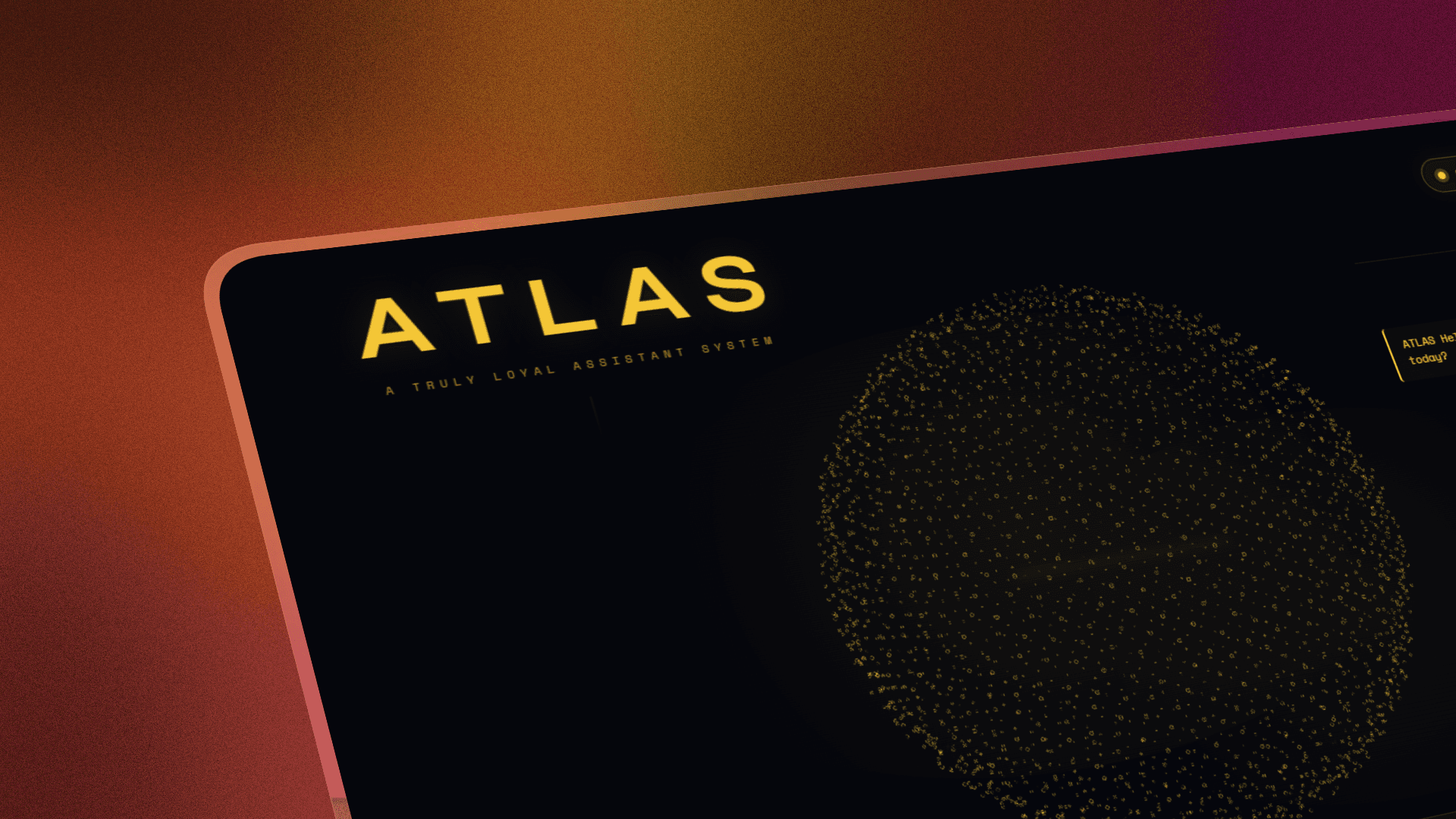
ATLAS
A multimodal desktop AI assistant, built with Electron and Python.
Timeline
3 Weeks
Role
Full Stack Developer
Team
Solo
Status
In-progressTechnology Stack
Python
JavaScript
HTML
CSS
Key Challenges
- Multimodal Interaction via Audio/Video
- Real-time WebSocket Communication
- Persistent Memory implementation
Key Learnings
- Electron Desktop Architecture
- Retrieval-Augmented Generation (RAG)
- FastAPI WebSockets
- Google Gemini API Integration
ATLAS
Overview
ATLAS is a multimodal desktop AI assistant with a conversational interface. It can understand and process audio, video, and text, and responds in real-time. It features a persistent memory and the ability to access the internet for up-to-date information.
Key Features
- Multimodal Interaction: Communicate with ATLAS using your voice, camera, screen share, or text.
- Real-time Conversation: ATLAS processes information and responds in real-time for a natural conversational experience.
- Persistent Memory: ATLAS remembers past conversations, providing context for future interactions using RAG.
- Internet Access: ATLAS can search the internet to answer questions and provide current information via Tavily API.
- Desktop Integration: As a desktop application, ATLAS can access the screen and other system resources.
Architecture
The project employs a robust client-server architecture:
- Backend: Python application using FastAPI for real-time WebSocket communication. Employs a "deep agent" architecture with specialized sub-agents. It uses ChromaDB for persistent memory.
- Frontend: Electron application providing the user interface, handling user inputs from microphone/camera, and communicating with the Python backend.
Tech Stack
- Backend: Python, FastAPI, WebSockets, Google Generative AI (Gemini), LangChain, ChromaDB, Tavily API.
- Frontend: Electron, JavaScript, HTML, CSS.